
穆帅:非五大联赛球队如今不会赢欧冠,上次还是我带的波尔图(穆里尼奥:当下五大联赛之外难夺欧冠,上一次还是我率波尔图登顶)

Analyzing Champions League Winners
I’m checking the Champions League winners since Porto in 2004 and noting the trend: teams from the top five leagues (England, Spain, Italy, Germany, and Ligue 1) dominate. Mourinho's claim that Porto 2004 was the last winner from outside the big five seems accurate, as Marseille's win was in 1993. Factors like financial disparity and the new Swiss model from 2024-25 could potentially worsen team diversity in future competitions.Examining Non-Big Five Teams
I’m looking at data around budgets and revenue shares related to finalists from outside the top five leagues. The last notable teams include Porto in 2004 and Monaco that same year, plus some semi-final appearances by PSV and Ajax. I want to clarify that “non-big five” encompasses leagues like Portugal, Netherlands, Belgium, Scotland, and Turkey. The upcoming expanded Champions League Swiss system might reinforce the dominance of big clubs by assuring them more matches and revenue. So, I need to provide context and a brief fact-check.Considering Potential Upsets
I’m pondering the possibility of upsets in football, but they seem unlikely without substantial investment from wealthy owners in smaller leagues like Shakhtar or Celtic. UEFA's financial sustainability rules really limit the wage bills relative to revenue, with new ratios capping costs at 70% of club revenue. Although Porto and Benfica excel in scouting, they often sell talent quickly. The Swiss model in the Champions League seems to favor top teams by reducing variance, sharpening competition, and changing the dynamics like the abolishment of away goals. I really need to keep this concise!Analyzing Champions League Trends
I’ll present some key facts regarding Champions League champions since Porto in 2004:
- Since 2004, all champions have come from the top five leagues. 
- Major factors include revenue disparities, squad depth, and UEFA's financial regulations, which link wage caps to income. 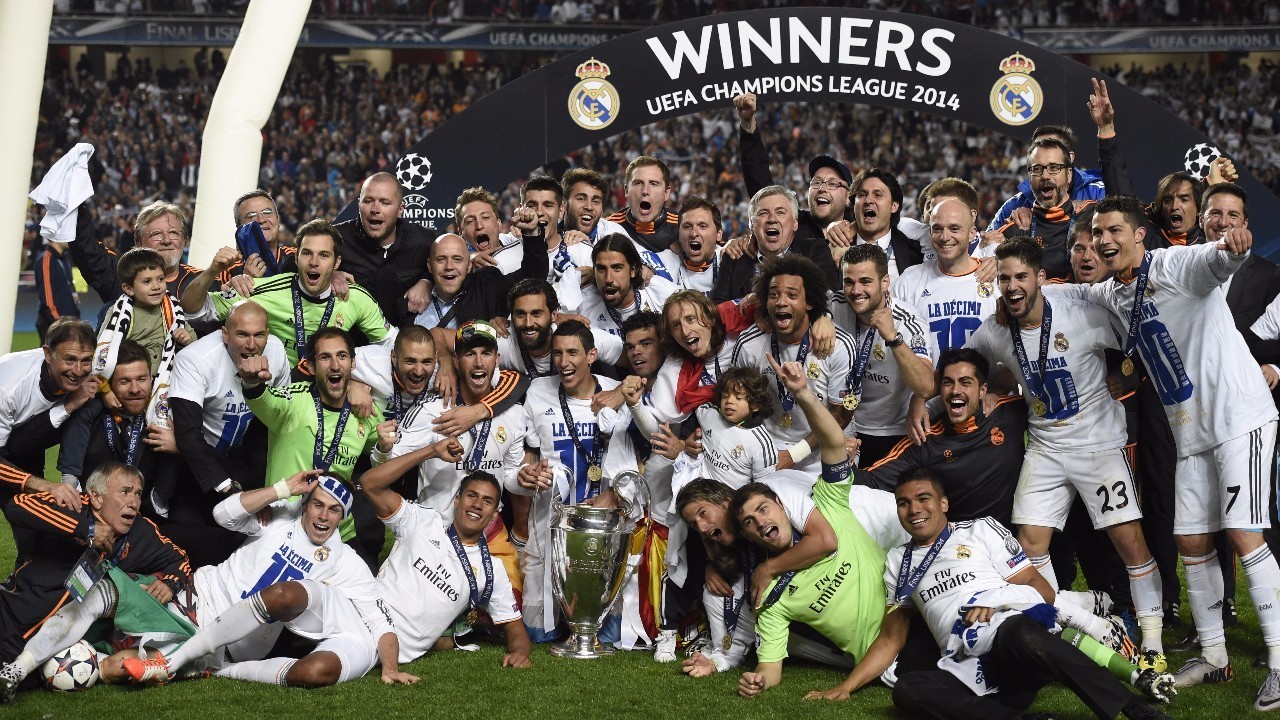
- Recent near misses from non-top five leagues include Ajax in 2019 and Porto in 2021, while Benfica reached the quarter-finals in 2023.
- The chance of an upset remains very low; it would require significant changes in league revenues or investments.
Do you want a data visualization or deeper analysis regarding income versus performance?
事实核查+一点背景
- 说法基本准确:自2003-04赛季穆里尼奥的波尔图夺冠后,欧冠冠军至今全由五大联赛球队包揽(英/西/德/意/法)。
- 原因主轴
- 收入鸿沟:转播与商业收入集中在五大联赛,欧冠奖金与市场池进一步放大利差,强者恒强。
- 阵容深度与留人:小联赛难以同时维持11人顶配与替补深度,成名即被高价挖走。
- 赛制与系数:种子分档、历史绩效分成倾斜强队;24-25起“瑞士赛制”增加高水平场次,降低偶然性,对强队更友好。
- 财务规则:欧足联“可持续性”新规将队成本/收入比压到70%,小联赛即便有金主,也受收入天花板限制。
- 葡超/荷甲豪门在同一年集齐黄金一代+健康+签运一路好;
- 通过球员交易与欧战奖金短期放大投入,但仍需在新规下合规;
- 战术上高度成熟、对强队抓到窗口期(如换代年、伤病潮)。
需要我用数据把过去20年收入与欧冠成绩的关系做个图/表,或具体评估某支非五大联赛球队的夺冠可行路径吗?